

Imagine a boardroom in a Fortune 500 company. The CEO has just proposed a massive acquisition—a “bold move” that will define their legacy. Around the table sit some of the brightest minds in the industry. Many of them see the glaring financial holes in the plan. They see the cultural mismatch. Yet, as the CEO looks around the room, every head nods in unison. Silence is the loudest sound in the room. Six months later, the company loses billions, and the “bold move” becomes a case study in failure.
Why do some groups thrive under pressure, pivoting with grace and intelligence, while others crumble under the weight of their own leadership? The answer rarely lies in a lack of intelligence or resources. Instead, it lies in the invisible, often volatile architecture of power. Unchecked power imbalances act like a toxin, silencing the very voices needed to prevent catastrophe. This is the paradox of the modern organization: we need leadership to provide direction, yet the very nature of that leadership can trigger psychological mechanisms that lead to groupthink and systemic collapse. To understand how to build innovative, psychologically safe teams, we must first strip away the corporate veneer and look at the raw psychological mechanisms of power.
1. Understanding the Five Bases of Power in Social Settings
At its core, power is the capacity to influence others and control access to resources. It is not a static trait but a dynamic relationship. In the mid-20th century, social psychologists John French and Bertram Raven identified five distinct “bases” of power that still define our interactions today. Understanding these is crucial because the source of a leader’s power determines whether a team feels inspired or merely coerced.
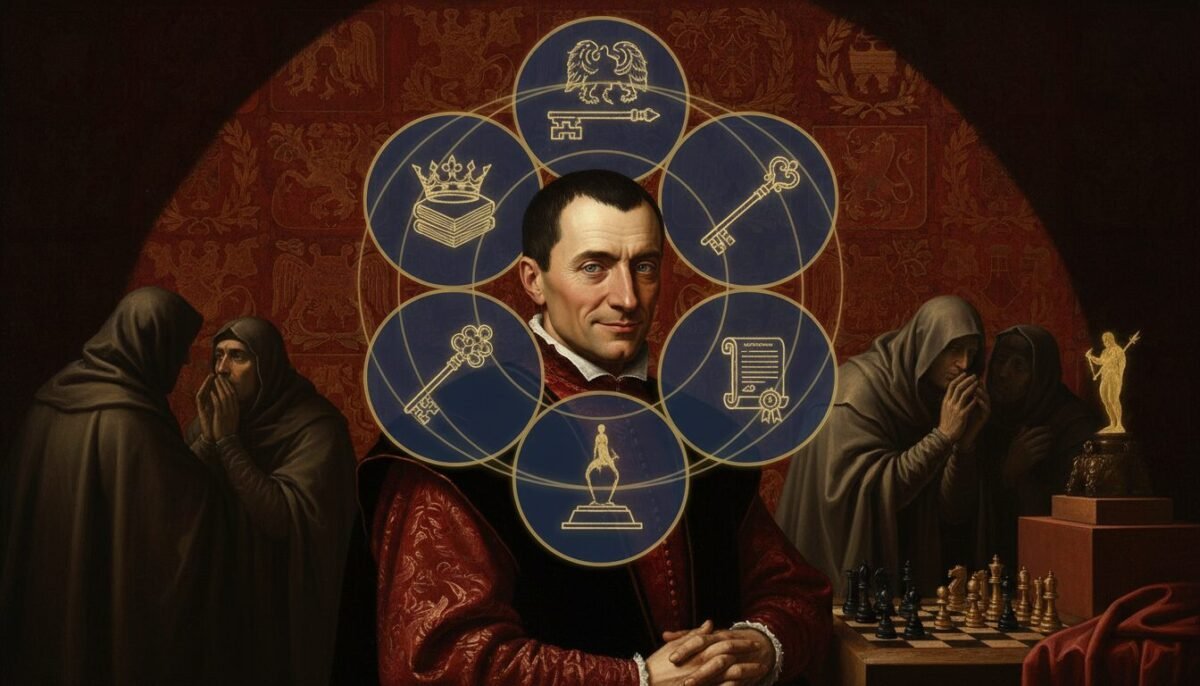
- Reward Power: The ability to grant raises, promotions, or praise. While effective for short-term tasks, it creates a transactional environment where people do the bare minimum to get the prize.
- Coercive Power: The flip side of reward—the ability to punish or demote. This is the most dangerous form, as it breeds resentment and hidden sabotage.
- Legitimate Power: This is “positional” power. You listen to the manager because their title says you must. In 2026, this base is rapidly losing its potency as younger generations demand more than just a title to grant respect.
- Expert Power: Derived from superior skills or knowledge. This is the most stable form of power in technical fields; people follow because they trust the leader’s “know-how.”
- Referent Power: The most elusive and potent form. It is based on charisma, interpersonal relationships, and the desire of others to be associated with the leader. It is the power of “influence through connection.”
The evolution of power structures in 2026 has seen a dramatic shift. We are moving away from traditional, rigid hierarchies toward decentralized networks and “holacracies.” In these modern settings, Legitimate power is being replaced by Expert and Referent power. When power is based on expertise rather than a title, group commitment skyrockets. People don’t just comply; they contribute. However, even in decentralized networks, the psychological weight of status can still distort reality.
2. The Psychological Impact of Power on High-Status Individuals
What happens to the human brain when it is granted power? Research into Approach-Inhibition Theory suggests that power acts as a sort of neurological stimulant. When individuals feel powerful, their “behavioral approach system” is activated. They become more goal-oriented, more optimistic, and more willing to take risks. On the surface, these seem like ideal leadership traits. However, there is a dark side: the “Empathy Gap.”

Studies have shown that high-status individuals often struggle to read the emotions of their subordinates. When you are at the top, your brain stops “mirroring” the people below you. You become less attuned to their facial expressions, their tone of voice, and their subtle cues of distress. This isn’t necessarily because the leader is a “bad person”; it’s because their brain has prioritized goal-attainment over social-monitoring. This lack of attunement leads to what psychologists call “objectification”—viewing team members as “means to an end” rather than collaborators with valid perspectives.
Furthermore, power breeds overconfidence. A leader who has been successful in the past begins to believe their intuition is infallible. They take greater risks, not because the data supports it, but because the psychological “high” of power makes them feel invincible. When a leader stops asking “What if I’m wrong?” and starts asking “How fast can we do this?”, the group is already in danger. The very traits that helped them ascend to power—boldness and focus—become the blinders that prevent them from seeing the cliff ahead.
3. How Power Structures Influence Communication and Information Flow
In a perfectly balanced group, information flows like water, reaching every corner where it is needed. In a power-distorted group, information is filtered, hoarded, and manipulated. One of the most pervasive phenomena in high-power environments is the MUM Effect (Keeping Mum about Undesirable Messages). Subordinates, fearing the “messenger-killing” tendencies of a powerful leader, will withhold negative information or “sugarcoat” it until the original warning is unrecognizable.

High “power distance”—the psychological gap between the leader and the led—acts as a barrier to transparency. When the distance is high, feedback loops are broken. The leader exists in an echo chamber, receiving only the information that confirms their existing biases. This is often exacerbated by “gatekeeping,” where mid-level managers control the flow of information to the top to maintain their own status or protect themselves from scrutiny.
Perhaps most damaging is how dominant voices inadvertently silence cognitive diversity. In a meeting, if the most powerful person speaks first, they set the “anchor.” Others, consciously or unconsciously, will align their opinions with that anchor to avoid social friction or professional risk. The result is a group that looks diverse on paper but functions as a monolith. The unique insights that could have saved a project are left unsaid, buried under the weight of the leader’s perceived authority.
4. Power Dynamics and the Risks of Groupthink in Decision-Making
Groupthink is the ultimate pathology of power dynamics. It occurs when the desire for harmony and conformity in a group results in irrational or dysfunctional decision-making. Authoritative leadership is the primary fuel for this fire. When a leader is highly dominant, the group shifts its goal from “finding the best solution” to “pleasing the leader.”
This creates an illusion of unanimity. Because no one is speaking up, everyone assumes that everyone else agrees. This was famously seen in the lead-up to the Bay of Pigs invasion, where brilliant advisors remained silent despite having deep reservations, simply because the momentum of the group—and the perceived will of the leadership—felt unstoppable.
The role of “yes-men” cannot be understated here. These individuals act as psychological bodyguards for the leader’s ego. They reinforce the leader’s biases, dismiss dissenting voices as “not being team players,” and narrow the group’s perspective until only one path remains. This isn’t just a political or corporate issue; it’s a fundamental human tendency to seek safety in the shadow of power. However, in a complex, fast-changing world, this safety is an illusion. A group that cannot disagree is a group that cannot learn.
5. The Impact of Power Imbalances on Productivity and Morale
The long-term health of an organization is directly tied to its power health. While coercive power can produce immediate results—people will work hard if they are afraid of being fired—it destroys intrinsic motivation. When people feel they are being controlled rather than empowered, their creativity withers. They stop looking for ways to improve and start looking for ways to survive.
Power inequality also leads to “social loafing” in large groups. When team members feel that their individual contribution doesn’t matter because the “big decisions” are made by a select few at the top, they disengage. They put in the hours but not the effort. They become “quiet quitters,” a phenomenon that has reached record highs in the mid-2020s as workers prioritize psychological well-being over corporate loyalty.
The antidote to this is psychological safety—the belief that one can speak up, take risks, and admit mistakes without being punished. In 2026, the correlation between balanced power structures and employee retention is undeniable. Organizations that foster a “low power distance” culture, where the CEO is approachable and the intern’s ideas are weighed on their merit, consistently outperform their more rigid competitors. Productivity in these environments isn’t driven by fear, but by a shared sense of ownership and purpose.
6. Practical Strategies for Fostering Balanced Power Dynamics
Managing power dynamics requires more than just good intentions; it requires structural intervention. Leaders must actively work to dismantle the psychological barriers their own status creates. Here are several proven strategies to balance the scales:
- Devil’s Advocacy and Red Teaming: Formally assign someone the role of the “dissenter” in every major meeting. In “Red Teaming,” a separate group is tasked with finding every possible way a plan could fail. This institutionalizes dissent, making it safe—and even expected—to challenge the status quo.
- Shifting from “Power Over” to “Power With”: This is the essence of servant leadership. Instead of asking “How can I make them do this?”, the leader asks “What do they need from me to succeed?”. This reframe shifts the dynamic from control to collaboration.
- Structural Changes: Implement rotating leadership roles for specific projects. Use anonymous feedback mechanisms and “blind” idea submissions where the author’s rank is hidden. This ensures that ideas are judged on their quality, not the status of the person who proposed them.
- Developing Emotional Intelligence (EQ): Leaders must be trained to bridge the empathy gap. This involves active listening exercises, perspective-taking drills, and regular “pulse checks” with the team. A leader with high EQ can sense the “unspoken” in a room and draw out the voices that are being silenced.
By consciously lowering the “cost” of dissent and raising the “value” of diverse input, organizations can transform power from a source of friction into a source of fuel.
Power is a neutral tool. Like fire, it can cook a meal or burn down the house. Its impact on group dynamics is determined entirely by how it is distributed and checked. By understanding the psychological effects of power—the empathy gaps, the communication barriers, and the siren song of groupthink—we can build structures that protect us from our own worst instincts. When we move toward a culture of mutual respect and psychological safety, we don’t just avoid failure; we unlock the full potential of human collaboration.
Are you curious about the “power health” of your own team? Download our ‘Team Dynamics Audit’ checklist to evaluate your organization’s power balance and start building a more innovative, resilient culture today.
Frequently Asked Questions
What is the difference between power and authority?
Authority is the legal or formal right to give orders (Legitimate power), while power is the broader ability to influence others’ behavior, which can come from expertise, personality, or the ability to provide rewards.
Can a group function without any power hierarchy?
While some “flat” organizations exist, most groups naturally develop informal power structures based on expertise or social influence. The goal isn’t to eliminate power, but to ensure it is transparent and balanced.
How can I tell if my team is suffering from groupthink?
Look for signs like the absence of disagreement in meetings, a tendency to demonize “outsiders” who criticize the group, and a general feeling that the leader’s ideas are always the best ones.
Does high emotional intelligence (EQ) reduce a leader’s power?
On the contrary, high EQ increases a leader’s Referent power. While it may reduce their reliance on Coercive power, it makes their influence more sustainable and effective in the long run.
Explore more deep dives into the human mind and social structures at DeepPsyche.blog: