

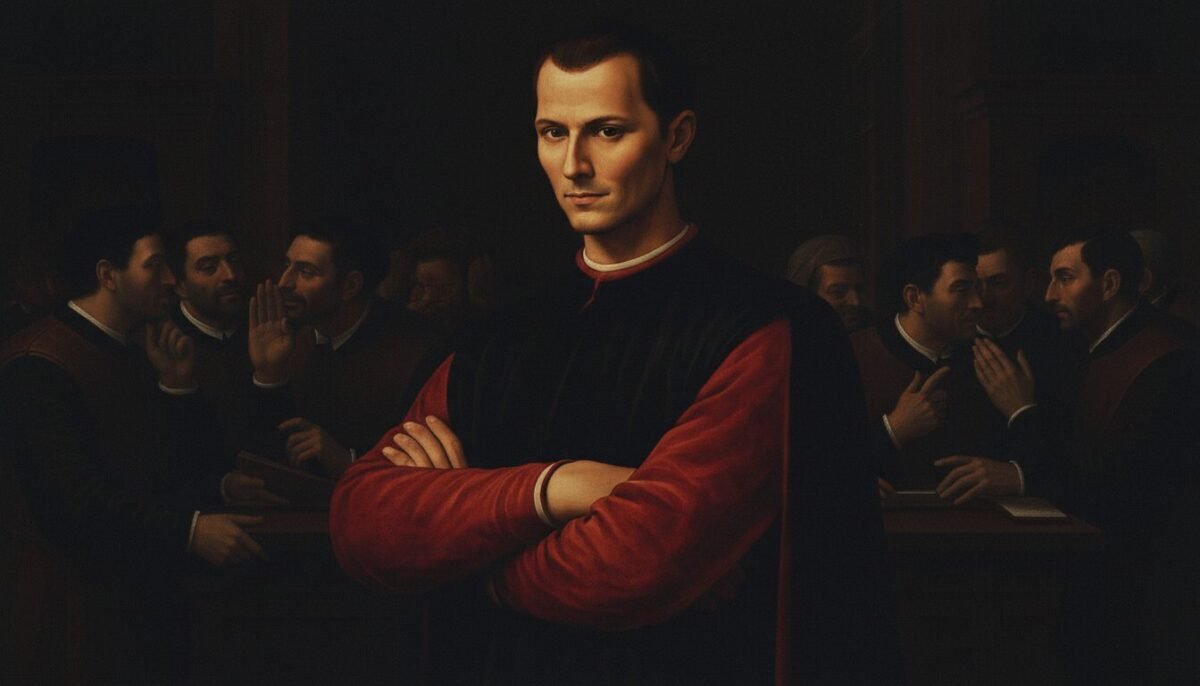
Imagine walking into a crowded room—a high-stakes corporate gala, a local town hall, or even a simple dinner party. Within seconds, your brain performs a silent, lightning-fast calculation. You notice who is standing at the center of the circle, whose jokes get the loudest laughs, and who is hovering tentatively near the exit. Without a word being exchanged, you have mapped the room’s social architecture. This drive to rank, to sort, and to find our place in a pecking order is so deeply embedded in our psyche that we often don’t even realize we’re doing it.
Is this relentless drive for status an inescapable part of our biological hardware, or is it a byproduct of the complex civilizations we have spent the last ten thousand years building? While modern democratic societies loudly champion the value of equality, the reality of human history tells a different story—one defined by rigid social stratification, kings and peasants, and the subtle, often brutal, games of power. To understand why we are the way we are, we must look back at the evolutionary pressures that forged us and the historical shifts that turned a species of nomadic equals into a global society of staggering inequality.
1. The Evolutionary Origins of Hierarchy: From Primates to People
We are not the first species to grapple with the complexities of social rank. Long before the first human spoke a word, our primate ancestors were already navigating intricate dominance hierarchies. In the world of chimpanzees, our closest living relatives, status is often a matter of life and death. A high-ranking male gains first access to food and mating opportunities, while those at the bottom must settle for scraps. This biological inheritance means that the “machinery” for understanding hierarchy is hardwired into the primitive parts of our brain.
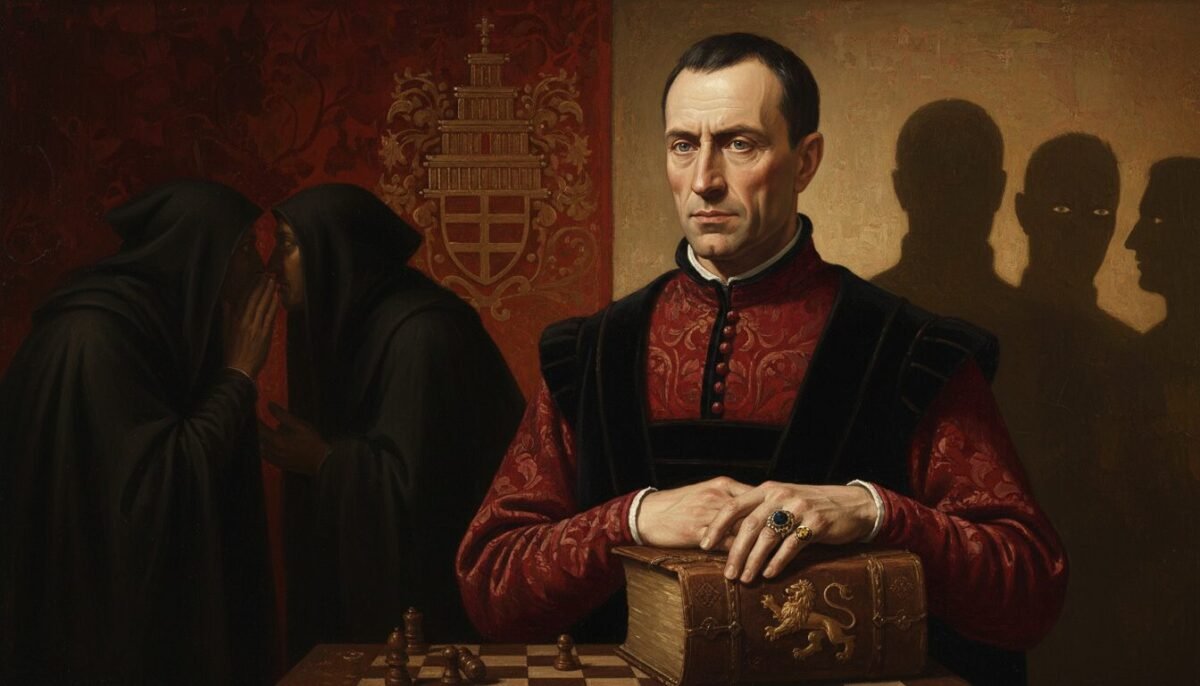
However, as early humans branched off from other primates, hierarchy took on a new, more functional role. It wasn’t just about who could beat up whom; it was about survival. In the harsh environments of the Pleistocene, a group without a clear structure was a group that would likely perish. Hierarchy provided a mechanism for group coordination. When a predator attacked or a new hunting ground needed to be found, having a recognized leader allowed for rapid decision-making. It reduced internal conflict by providing a “rulebook” for who got what, preventing the constant, energy-draining brawls that would occur if every resource were up for grabs every single day.
Yet, there was always a trade-off. While the group benefited from the stability of a leader, the individual at the bottom paid a heavy price in terms of resources and autonomy. This created an evolutionary “arms race” between individual competition and collective survival. Interestingly, early humans developed a unique solution to the “bully problem” known as Reverse Dominance Hierarchies. Anthropologists have noted that in many early human bands, the “rank and file” would actively team up to suppress any individual who became too arrogant or domineering. Through gossip, ridicule, or even physical expulsion, the group ensured that power remained distributed. In this sense, our earliest hierarchies were paradoxically designed to keep everyone equal.
2. Egalitarianism vs. Hierarchy: Were We Born to Be Equal?
For roughly 95% of our history as a species, humans lived in small, nomadic bands of hunter-gatherers. During this vast stretch of time, the social structure was remarkably egalitarian. This period is often referred to by scholars as the “original affluent society.” In these groups, there were no kings, no permanent chiefs, and no police. Resources like meat from a successful hunt were shared meticulously among all members, regardless of who made the kill.
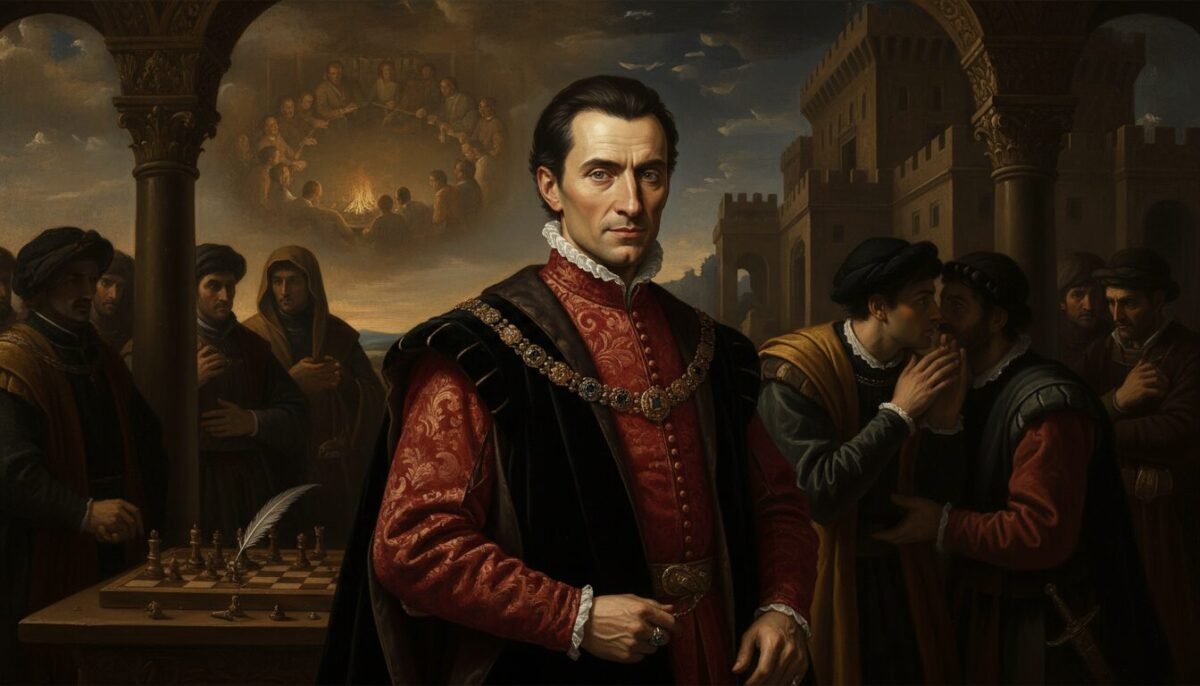
This wasn’t necessarily because early humans were “nicer” than we are today; it was a matter of practical necessity. In a nomadic lifestyle, you cannot accumulate wealth because you have to carry everything you own. If you try to hoard food, it rots. If you try to boss people around, they simply walk away and join another band. Small group sizes—usually between 30 and 150 people—meant that everyone knew everyone else. This transparency made social leveling highly effective. If a hunter started acting like he was better than the rest, the tribe would use “shaming” as a weapon. They might make fun of his kill or ignore his advice until he regained his humility. In extreme cases of tyranny, the group would resort to exile—a virtual death sentence in the wild.
The debate among historians and psychologists often centers on whether hierarchy is an inherent trait or a cultural adaptation. The evidence suggests it is both. We have the capacity for hierarchy (the primate brain) and the capacity for egalitarianism (the hunter-gatherer brain). Which one dominates depends heavily on the environment. When resources are scarce and movement is easy, we lean toward equality. But when the environment changes—when we stop moving and start accumulating—the old primate drive for dominance finds a new, more permanent playground.
3. The Agricultural Revolution and the Birth of Social Classes
About 12,000 years ago, everything changed. The transition from hunting and gathering to sedentary farming—the Agricultural Revolution—was the single most significant turning point in the history of human power. Agriculture allowed for the creation of storable resource surpluses. For the first time, a person could own more grain than they could eat in a day. They could store it, protect it, and, crucially, use it to exert influence over others.
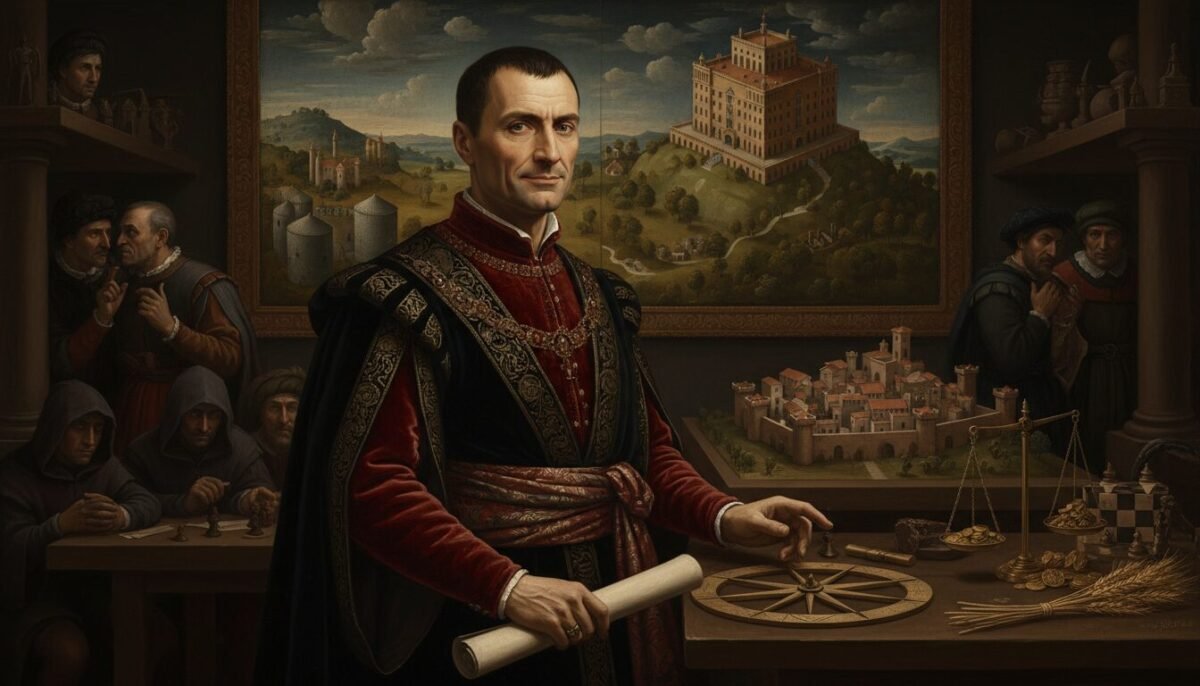
This surplus led to the emergence of property rights. Once you have a plot of land and a granary, you need to defend it. This gave rise to a specialized class of warriors. To manage the complex irrigation systems and the distribution of food, you needed a class of administrators and priests. Slowly, the merit-based status of the hunter-gatherer (where you were respected because you were a good healer or a brave scout) shifted toward inherited status. Power became something you could pass down to your children like a piece of land.
In early Mesopotamian and Egyptian societies, we see the first “steep” hierarchies. The Pharaoh wasn’t just a leader; he was a god-king at the apex of a massive pyramid. Below him were the viziers, the scribes, the artisans, and finally, the vast sea of peasants and slaves who fueled the system. The “Great Chain of Being” began to take shape—a cosmic justification for why some were born to rule and others to serve. The flexibility of the nomadic band was replaced by the rigid, ossified structures of the state. Inequality was no longer a temporary glitch; it was the foundation of the world order.
4. Dominance vs. Prestige: Two Paths to Social Power
In modern psychology, researchers distinguish between two very different ways of climbing the social ladder: Dominance and Prestige. Understanding the difference is key to understanding why we follow certain leaders and despise others.
- Dominance is the ancient, primate path to power. It is based on coercion, intimidation, and the threat of force. A dominant leader gets their way because people are afraid of the consequences of saying no. We see this in the playground bully, the mafia boss, and the authoritarian dictator. It is a “zero-sum” game where one person’s gain is another’s loss.
- Prestige is a uniquely human adaptation. It is status that is freely granted by others because of an individual’s skill, knowledge, or generosity. We grant prestige to the brilliant surgeon, the wise elder, or the philanthropist. We follow them because we want to learn from them or benefit from their expertise.
Modern societies are a constant tug-of-war between these two archetypes. We use social signaling—the clothes we wear, the degrees we hang on our walls, the “virtue signaling” we do on social media—to broadcast our prestige. However, when systems become unstable or people feel threatened, they often revert to seeking “dominant” leaders who promise protection through strength. The psychological mechanism of status is so powerful that we are often willing to trade our autonomy for the perceived security that a high-status leader provides, even if that leader uses dominance rather than prestige to stay on top.
5. Institutional Structures and the Maintenance of Power
Power is rarely maintained by force alone; it requires a narrative. Throughout history, those at the top have used cultural stories to justify their position. In medieval Europe, it was the “Divine Right of Kings.” In the caste systems of India, it was a religious framework of karma and rebirth. These narratives make inequality feel not just inevitable, but right. They transform raw power into “authority.”
As societies grew more complex, these narratives were baked into legal systems and bureaucracies. Laws were written to protect property, which in turn protected those who already owned it. Bureaucracy, while often seen as a boring administrative tool, is actually a powerful engine for maintaining hierarchy. It creates “gatekeepers” and formalizes who has the right to speak, who has the right to judge, and who has the right to distribute resources. This is what political scientists call Soft Power—the ability to shape the preferences of others through appeal and attraction (or institutional inertia) rather than through the “Hard Power” of guns and money.
Today, technology and digital networks are challenging these traditional structures. The internet has democratized information, allowing a teenager in a bedroom to have more “prestige” and influence than a government official. However, new hierarchies are already forming. The algorithms of social media create their own “digital aristocracies,” where status is measured in followers and engagement, and where the old mechanisms of “shaming” have returned with a vengeance in the form of cancel culture. The tools change, but the game of status remains the same.
6. The Psychology of Status: Impact on Health and Stability
The drive for status isn’t just a social ambition; it is a biological imperative with profound consequences for our health. Research into what is known as the “Status Syndrome” has shown a startling correlation between social standing and physical well-being. In famous studies of the British Civil Service, researchers found that even when controlling for smoking, diet, and wealth, those at the bottom of the hierarchy had significantly higher rates of heart disease and shorter lifespans than those at the top.
The culprit is cortisol—the stress hormone. When we feel low in status, or when we feel our position is being threatened, our bodies enter a state of chronic “fight or flight.” This constant drip of stress hormones ravages the immune system and the cardiovascular system. Navigating a steep hierarchy is biologically expensive. This is why extreme inequality is so destabilizing for a society. When the gap between the “haves” and “have-nots” becomes too wide, social trust evaporates, and crime rates soar. It’s not just about absolute wealth; it’s about relative status. A person would often rather earn $50,000 in a neighborhood where everyone else earns $40,000 than earn $100,000 in a neighborhood where everyone else earns $200,000. Our brains are wired to care more about where we stand in relation to our peers than about the objective quality of our lives.
This psychological drive explains why people will go into debt to buy luxury goods or why they will fight so fiercely over titles and “likes.” We are constantly scanning our environment to see if we are rising or falling, because our biology tells us that falling means danger.
Conclusion
Human social hierarchy is not a simple story of “good” or “evil.” It is a complex interplay of our evolutionary biology, which craves the order and coordination of a structured group, and our cultural history, which has often used that structure to create profound inequality. While the Agricultural Revolution cemented rigid social classes, our deep-seated psychological need for both prestige and fairness continues to simmer beneath the surface.
Understanding these dynamics is the first step toward building more equitable structures. We cannot simply “delete” the drive for status—it is part of who we are. But we can choose which forms of status we reward. By shifting our focus from dominance to prestige, and by recognizing the biological cost of steep inequality, we can begin to design societies that honor our need for leadership without sacrificing our fundamental human dignity.
Frequently Asked Questions
Is social hierarchy inevitable in any human group?
While small-scale egalitarianism is possible, as groups grow in size and complexity, some form of hierarchy usually emerges to manage coordination and decision-making. The challenge is not avoiding hierarchy entirely, but ensuring it is based on prestige and merit rather than dominance and coercion.
How does “Relative Status” affect our daily happiness?
Our brains are evolved to compare ourselves to those in our immediate social circle. This means that even if we are wealthy by historical standards, we may feel “poor” or stressed if we perceive ourselves to be at the bottom of our current peer group.
Can technology break down traditional hierarchies?
Technology can flatten old structures by giving more people a voice, but it often creates new ones. Digital platforms have their own “status hierarchies” based on algorithms and social capital, which can be just as rigid as traditional systems.
What is the “Status Syndrome”?
It is a psychological and physiological phenomenon where lower social standing is linked to chronic stress, higher cortisol levels, and a significantly increased risk of chronic illness and shorter lifespan.
If you found this exploration of human nature compelling, you may want to dive deeper into our analyses of Power & Human Nature, the strategic insights of Machiavelli & Political Philosophy, or the psychological roots of Influence & Leadership. Explore more at DeepPsyche.blog to uncover the hidden forces that shape our world.