Imagine a CEO sitting in a glass-walled office, overlooking a city skyline. With a single digital signature, they can approve a merger that creates ten thousand jobs or authorize a “restructuring” that eliminates them. In that moment, is the CEO experiencing the thrill of a privilege earned, or are they feeling the crushing weight of ten thousand families’ livelihoods? This is the central tension of leadership: the tug-of-war between the intoxicating nature of influence and the sobering reality of moral obligation.
History and our modern headlines are littered with the wreckage of authority figures who chose the former over the latter. From the catastrophic fallout of the 2008 financial crisis to the more recent ethical collapses in Silicon Valley, we see a recurring pattern: individuals who wielded immense power without a corresponding sense of duty. When influence is decoupled from responsibility, the result isn’t just a personal moral failure; it is a systemic collapse that erodes the very foundations of trust in our society. As we navigate the complexities of 2026, understanding this relationship is no longer a philosophical luxury—it is a survival necessity.
1. The Conceptual Link: Defining Power and Moral Obligation
To understand the ethics of leadership, we must first dismantle what we mean by “power.” In political science and sociology, a vital distinction is made between “power over” and “power to.” The former is about domination, control, and the ability to bend others to one’s will. It is the power of the tyrant or the micromanager. The latter, “power to,” refers to capability, agency, and the collective capacity to achieve a goal. Ethical leadership almost always involves a transition from the desire for “power over” to the exercise of “power to.”

Why does influence necessitate a duty of care? The answer lies in the concept of vulnerability. Whenever one person holds power, another person is inherently vulnerable to their decisions. If I have the power to set your salary, you are vulnerable to my fairness. If a government has the power to draft laws, the citizenry is vulnerable to its justice. Ethics, at its core, is the study of how we treat those who are vulnerable to us. Therefore, power is not an isolated asset; it is a relational tie. To hold power is to enter into a silent contract with everyone your decisions touch.
This realization marks a profound philosophical transition in human history. For centuries, authority was viewed through the lens of “Divine Right”—the idea that leaders were chosen by a higher power and were thus exempt from earthly accountability. Today, we have moved toward the concept of earned authority. In a modern democracy or a transparent corporation, power is “loaned” to a leader by the stakeholders. It is not an inherent trait of the individual but a functional tool granted in exchange for the promise of competent and ethical stewardship.
2. Historical Perspectives: From Plato to the Social Contract
The struggle to define the “ideal leader” is as old as civilization itself. In ancient Greece, Plato proposed the concept of the Philosopher King. In his masterwork, The Republic, Plato argued that the only people fit to lead are those who do not actually want power. He envisioned a class of guardians who were trained in wisdom and virtue, individuals who viewed governance not as a path to wealth or fame, but as a necessary duty for the common good. For Plato, the greatest danger to a state was a leader driven by self-interest rather than the pursuit of Truth.
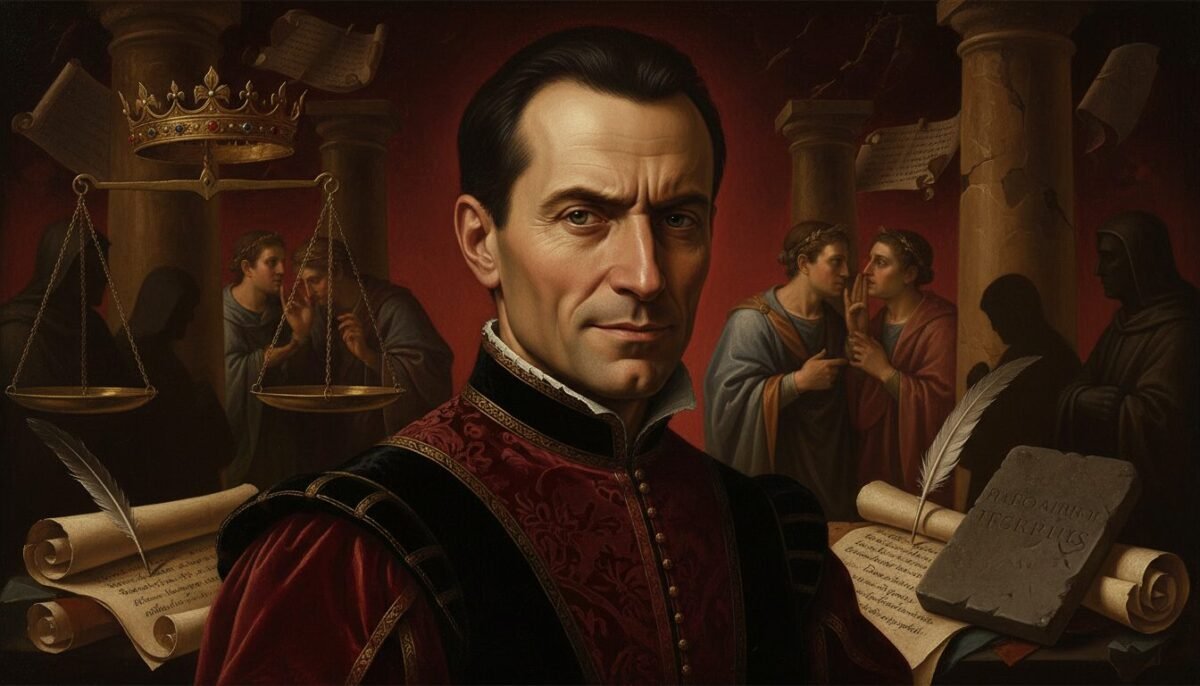
Fast forward to the Enlightenment, and the conversation shifted from the character of the leader to the nature of the agreement between the ruler and the ruled. This gave birth to Social Contract Theory. Thomas Hobbes, writing during the chaos of the English Civil War, argued that people trade some of their freedom for the security provided by a strong leader. However, it was John Locke and Jean-Jacques Rousseau who truly linked power to public service. Locke argued that if a leader fails to protect the natural rights of the people, the people have a moral right—and duty—to overthrow them.
This evolution fundamentally changed the nature of accountability. We moved from “monarchical whim,” where a king’s mood could determine the fate of a nation, to constitutional mandates. In the modern era, the law is intended to be the ultimate authority, ensuring that no individual is above the rules. This historical trajectory shows a clear trend: as human society becomes more complex, we become less tolerant of “naked power” and more insistent that authority must be justified by its service to the collective.
Consider the shift in how we view corporate leadership today compared to the 19th-century “Robber Barons.” While the tycoons of the past could operate with near-total impunity, today’s leaders are held to account by boards, shareholders, and a global public that demands transparency. The social contract has moved from the palace to the boardroom.
3. The Spider-Man Principle: Pop Culture’s Ethical Mirror
It is telling that one of the most profound ethical statements of the 20th century didn’t come from a philosophy professor, but from a comic book. “With great power comes great responsibility.” Often called the “Spider-Man Principle,” this phrase has become a modern ethical framework that resonates far beyond the pages of Marvel. But why does such a simple trope carry so much weight?
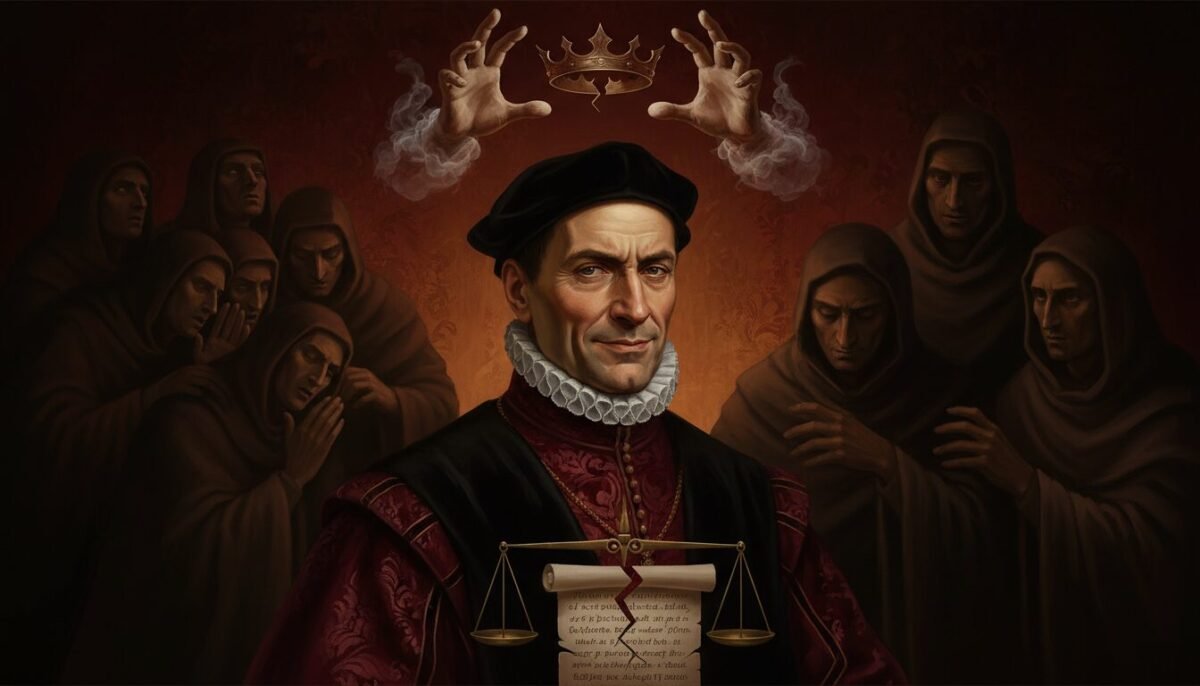
It resonates because it addresses a fundamental human need for benevolent leadership. We are biologically and psychologically wired to look for leaders when facing uncertainty. When those leaders use their “superpowers”—whether that is wealth, fame, or political office—to benefit themselves at the expense of others, it feels like a betrayal of the natural order. The Spider-Man Principle serves as a shorthand for the idea that power is not a reward for past effort, but a debt to be paid to the future.
However, there is a dark side to this narrative: the “hero complex.” In many modern organizations, leaders begin to see themselves as the only ones capable of “saving” the company or the country. This can lead to a dangerous messiah syndrome where the leader believes that because their goals are “noble,” they are entitled to bypass ethical norms or institutional checks. The reality of institutional duty is often much less glamorous than a superhero movie; it involves the tedious work of listening to dissenting voices, following protocols, and accepting that the system is more important than the individual.
4. The Psychology of Authority: Does Power Corrupt?
The old adage by Lord Acton—”Power tends to corrupt, and absolute power corrupts absolutely”—is more than just a cynical observation; it is backed by modern neuroscience. Psychologists have identified what is known as the “Power Paradox.” Dacher Keltner, a professor at UC Berkeley, has found that the very traits that help people rise to power—such as empathy, collaboration, and openness—often disappear once they reach the top.
Studies show that people in positions of high authority often experience a decrease in “mirror neuron” activity. These are the neurons that allow us to feel what others are feeling. In essence, power can cause a form of functional brain damage that makes it harder to empathize with those “below” us. This leads to cognitive dissonance: a leader might make a decision that hurts thousands of employees but justifies it through cold, abstract logic, convincing themselves that it was the “only choice” for the greater good.
In high-stakes environments, this psychological shift can be disastrous. Leaders begin to view people as chess pieces rather than human beings. To combat this, ethical leaders must consciously build feedback loops and “empathy anchors” into their lives. This might mean:
- Maintaining a “Red Team” of advisors whose sole job is to challenge the leader’s assumptions.
- Regularly engaging with frontline workers or customers to stay grounded in the reality of their decisions.
- Practicing radical self-reflection to identify when personal ego is clouding professional judgment.
Without these safeguards, the psychological gravity of power will almost always pull a leader toward isolation and arrogance.
5. Institutional Guardrails: Checks, Balances, and Accountability
If psychology tells us that power is a corrupting force, then history tells us that internal ethics are rarely enough to stop it. We cannot simply “hope” for a virtuous leader; we must design systems that demand virtue. This is the essence of checks and balances. In a healthy society or organization, power is distributed so that no single person can make catastrophic decisions without oversight.
The role of the “Fourth Estate”—the media—and internal whistleblowers cannot be overstated. Transparency is the ultimate disinfectant for the abuses of power. When a leader knows that their private communications or financial dealings could eventually become public, the “cost” of unethical behavior rises significantly. In 2026, this transparency is increasingly driven by decentralized data and open-source intelligence, making it harder than ever for corruption to hide in the shadows.
Furthermore, we must design systems that incentivize ethical behavior. If a CEO’s bonus is tied solely to short-term stock price, they are incentivized to take unethical shortcuts. If, however, their compensation is tied to long-term sustainability, employee retention, and ethical audits, the “responsible” path becomes the “profitable” path. Accountability is not just about punishing failure; it is about creating an environment where doing the right thing is the path of least resistance.
6. Modern Frontiers: Ethics in AI and Corporate Governance
As we move deeper into 2026, the nature of power is changing. We are no longer just dealing with the power of people, but the power of algorithms. Tech giants now hold more influence over public discourse and individual behavior than many sovereign nations. When an AI determines who gets a loan, who is shortlisted for a job, or what news a person sees, the “responsibility” for those decisions becomes diffused and difficult to track.
The ethical challenge of the modern era is managing this algorithmic influence. Tech leaders have a moral obligation to ensure their systems are transparent, unbiased, and accountable. We are seeing a shift from traditional Corporate Social Responsibility (CSR)—which was often just a marketing exercise—to a more rigorous demand for “Stakeholder Capitalism.” This is the idea that a corporation is responsible not just to its shareholders, but to its employees, its customers, and the environment.
In an era of global crises—from climate change to the rapid displacement of labor by AI—the burden of leadership has never been heavier. Leaders are now expected to be more than just efficient managers; they are expected to be moral navigators. They must balance the immediate demands of the market with the long-term survival of the social and ecological systems they inhabit. This is the ultimate test of the “Spider-Man Principle” in the 21st century.
Internal Link Suggestions:
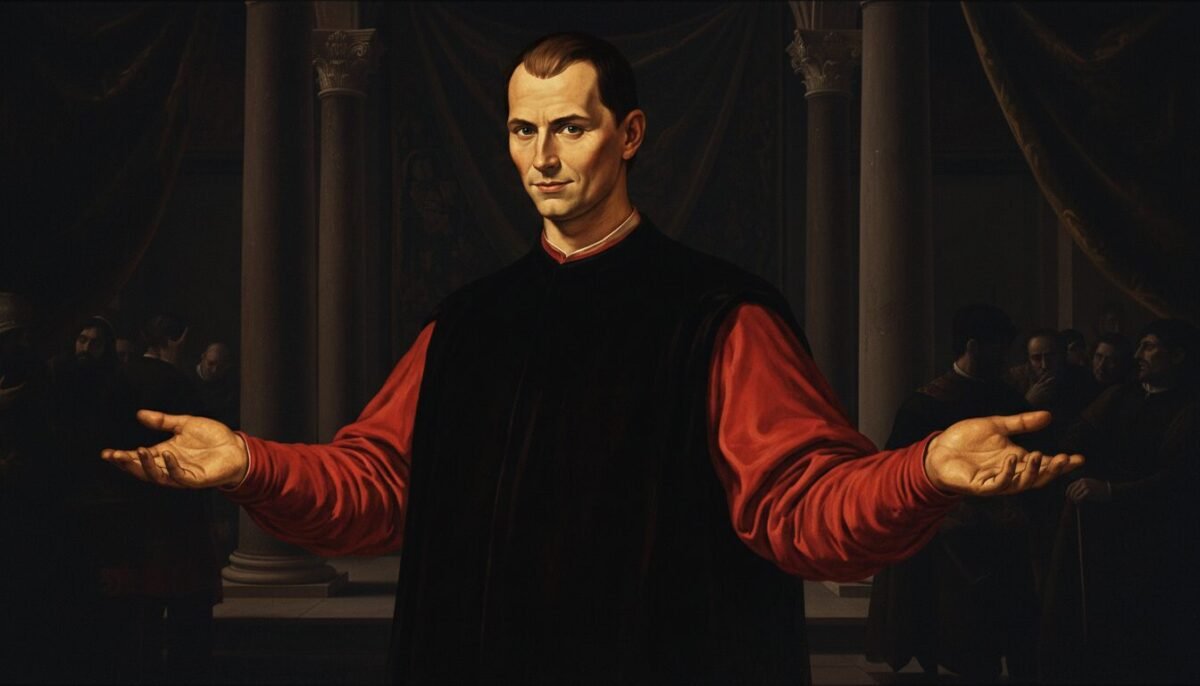
- Explore how Machiavelli & Political Philosophy shaped our early understanding of statecraft.
- Understand the biological roots of influence in Power & Human Nature.
- Learn to identify the dark side of leadership in our guide on Machiavellianism.
- Refine your own approach to impact with Influence & Leadership.
Conclusion
The tension between power and responsibility is not a problem to be “solved,” but a balance to be maintained. It is a timeless philosophical challenge that requires a dual approach: the individual integrity of the leader and the robust oversight of the institution. As we have seen, power has the potential to expand our capacity for good, but it also has a documented tendency to narrow our capacity for empathy.
As we navigate the complexities of 2026, the ‘Spider-Man Principle’ remains our most reliable compass. Whether you are leading a multinational corporation, a small community group, or simply managing your own digital influence, remember that power is a loan, not a gift. The true measure of a leader is not how much influence they gather, but how much responsibility they are willing to carry for the common good.
Are you ready to lead with intention? Subscribe to our DeepPsyche ethics newsletter to stay informed on the intersection of philosophy, psychology, and modern leadership.
Frequently Asked Questions
What is the difference between power and authority?
Power is the raw ability to influence or control others, often through force or position. Authority is the legitimate right to exercise that power, usually granted by a social contract, law, or mutual agreement between the leader and the led.
How can I tell if power is corrupting my own judgment?
Signs of “power corruption” include a decreasing tolerance for dissent, a tendency to view people as tools to achieve an end, and a feeling that the rules “don’t apply” to you. Regular feedback from trusted peers is the best way to stay grounded.
Can an organization be successful if it prioritizes ethics over profit?
In the long term, yes. While unethical shortcuts may provide a temporary boost, they lead to systemic risks, legal battles, and a loss of brand trust. Ethical organizations tend to have higher employee retention and more resilient reputations, which are critical assets in the modern economy.
Why is transparency so important for ethical leadership?
Transparency acts as a check on the “Power Paradox.” When leaders know their actions are visible, they are more likely to align their behavior with their stated values and the expectations of their stakeholders.