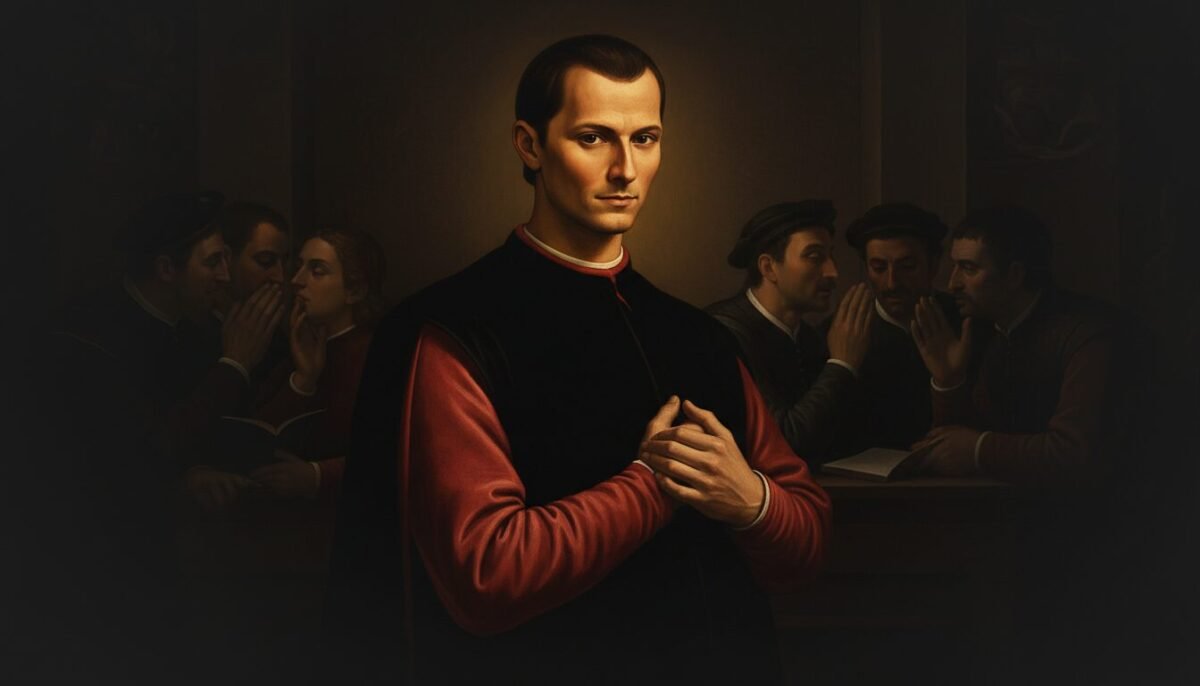
Imagine a busy intersection in a major city. Hundreds of cars stop at a red light, even when no police officer is in sight and the streets are otherwise empty. Why? It isn’t because the red bulb has the physical power to stop a two-ton vehicle. It is because every driver has entered into a silent, invisible agreement. We collectively decide that the light represents authority, and in exchange for our compliance, we receive a predictable, safe passage through the world.
But what if, tomorrow morning, every single citizen decided to ignore that light? What if we all collectively decided that the “law” no longer applied? In that instant, the authority of the state would not just be challenged—it would vanish. We often mistake power for something tangible, like a weapon or a vault full of gold. In reality, power is a fragile social construct, a ghost that only haunts us because we choose to believe in its presence. It is a social agreement, and like any contract, it relies entirely on the ongoing consent of the parties involved.
1. Defining Power: Beyond Physical Force to Social Construct
To understand the mechanics of society, we must first distinguish between raw force and true power. In political science and sociology, we often differentiate between “power over” and “power to.” The former is coercive; it is the schoolyard bully or the dictator with a gun. This is the ability to force someone to act against their will. However, “power to” refers to our collective capacity to act—the ability of a community to build a bridge, maintain a currency, or uphold a justice system.
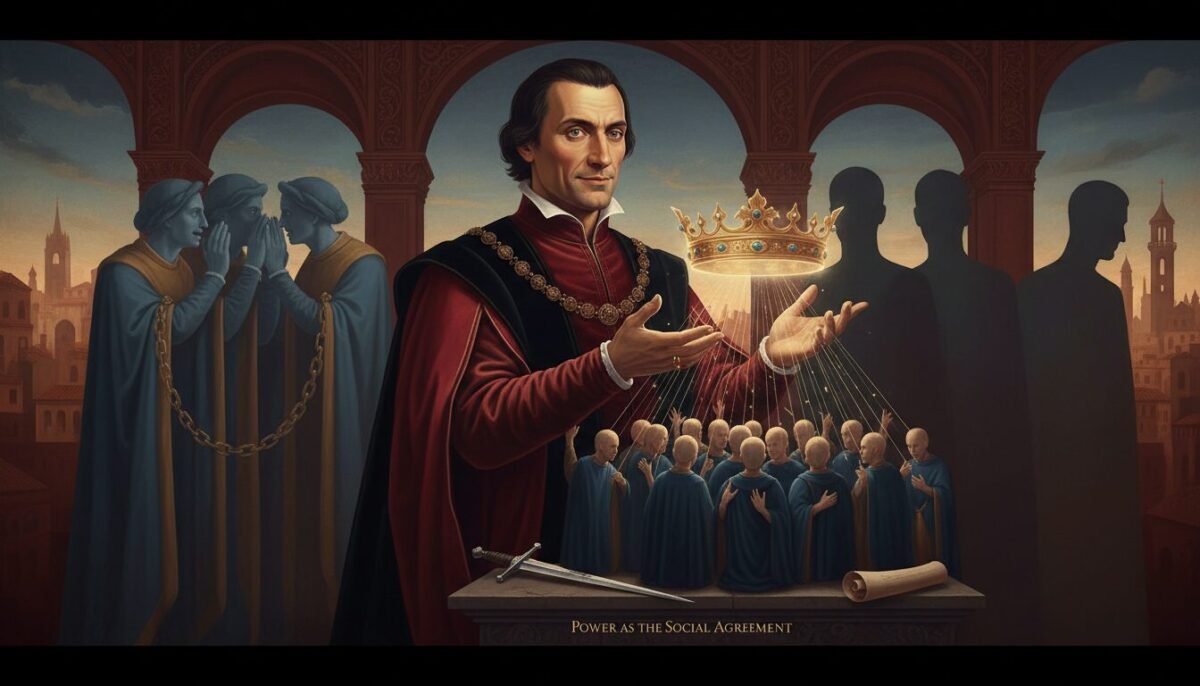
True institutional power is rarely about the gun; it is about the relationship. If we look at power as a relational dynamic rather than a possession, we see that it doesn’t reside in the leader, but between the leader and the led. A CEO has no power if the employees refuse to show up; a general has no power if the soldiers refuse to fire. Therefore, power is not something one “has,” but something one is “granted” by others.
This brings us to the concept of the social construct. Our institutions—governments, corporations, even the value of the dollar in your wallet—rely on the internal acceptance of rules. We follow the rules of a company not just because we fear being fired, but because we accept the internal logic of the hierarchy. We recognize that for the organization to function, someone must make decisions. When this internal acceptance is high, power flows smoothly. When it withers, even the most formidable institutions begin to crumble from within. Power, in its most stable form, is simply the organized consent of the many to follow the direction of the few.
2. Historical Foundations: Hobbes, Locke, and Rousseau on the Social Contract
The idea that power is a negotiated agreement isn’t new; it is the cornerstone of Enlightenment philosophy. Three thinkers in particular—Thomas Hobbes, John Locke, and Jean-Jacques Rousseau—laid the groundwork for how we view the “Social Contract” today.
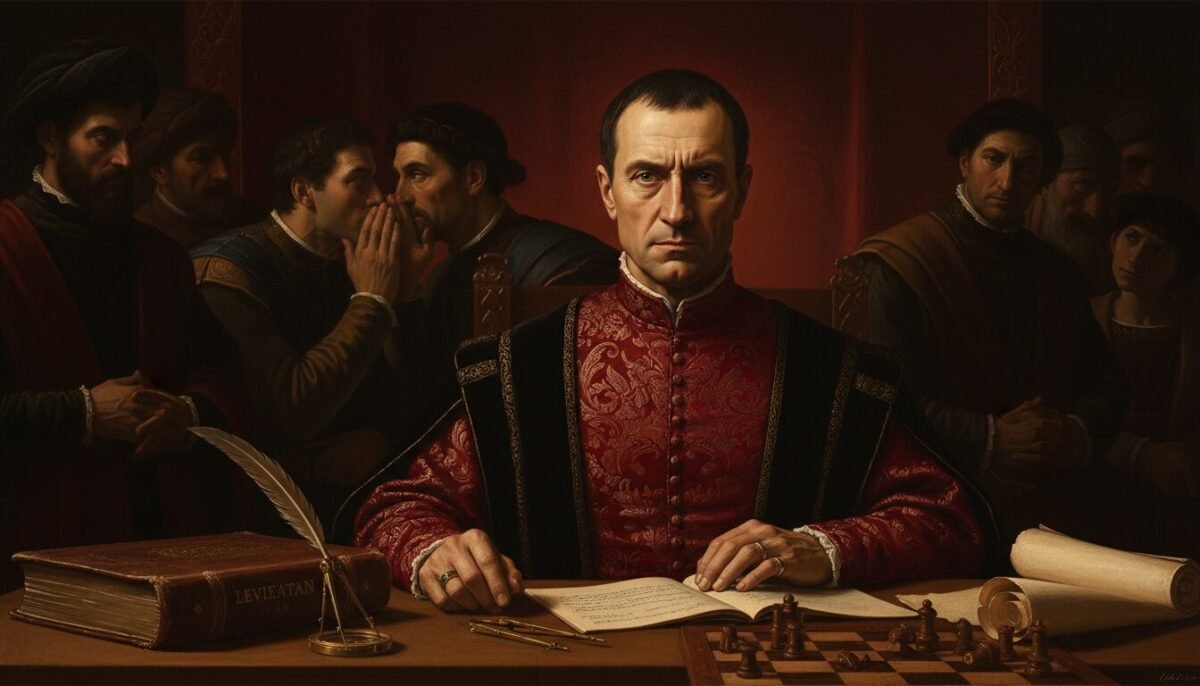
Thomas Hobbes, writing during the chaos of the English Civil War, had a pessimistic view of human nature. He argued that without a central authority, life would be “solitary, poor, nasty, brutish, and short.” For Hobbes, the social agreement was a desperate trade: we surrender our absolute freedom to a “Leviathan” (a powerful sovereign) in exchange for the one thing we cannot provide for ourselves—security. In this model, power is a one-way street. Once the agreement is made, the sovereign holds total authority to prevent us from falling back into the “state of nature.”
John Locke offered a more balanced perspective. He argued that individuals possess “natural rights”—life, liberty, and property—that exist before any government. For Locke, the social contract is a fiduciary agreement. We don’t surrender our rights; we delegate the protection of those rights to a government. Crucially, Locke insisted that if the government breaches this contract—if it becomes tyrannical or fails to protect our rights—the people have a moral obligation and a “right to revolution.” This shift changed the nature of power from an absolute gift to a conditional lease.
Jean-Jacques Rousseau took this a step further with his concept of the “General Will.” He argued that true sovereignty resides not in a monarch, but in the people themselves. The social agreement is not a deal between a subject and a master, but an agreement among individuals to form a collective body. In Rousseau’s eyes, when we obey the law, we are simply obeying ourselves, because the law is an expression of our collective interest. This is the philosophical bedrock of modern democracy: the idea that authority is only legitimate when it reflects the will of the governed.
3. The Role of Legitimacy: Why Collective Consent Validates Authority
There is a profound difference between power and authority. Power is the ability to influence or control others; authority is the recognized right to do so. A mugger has power; a judge has authority. The bridge between the two is a concept called legitimacy.
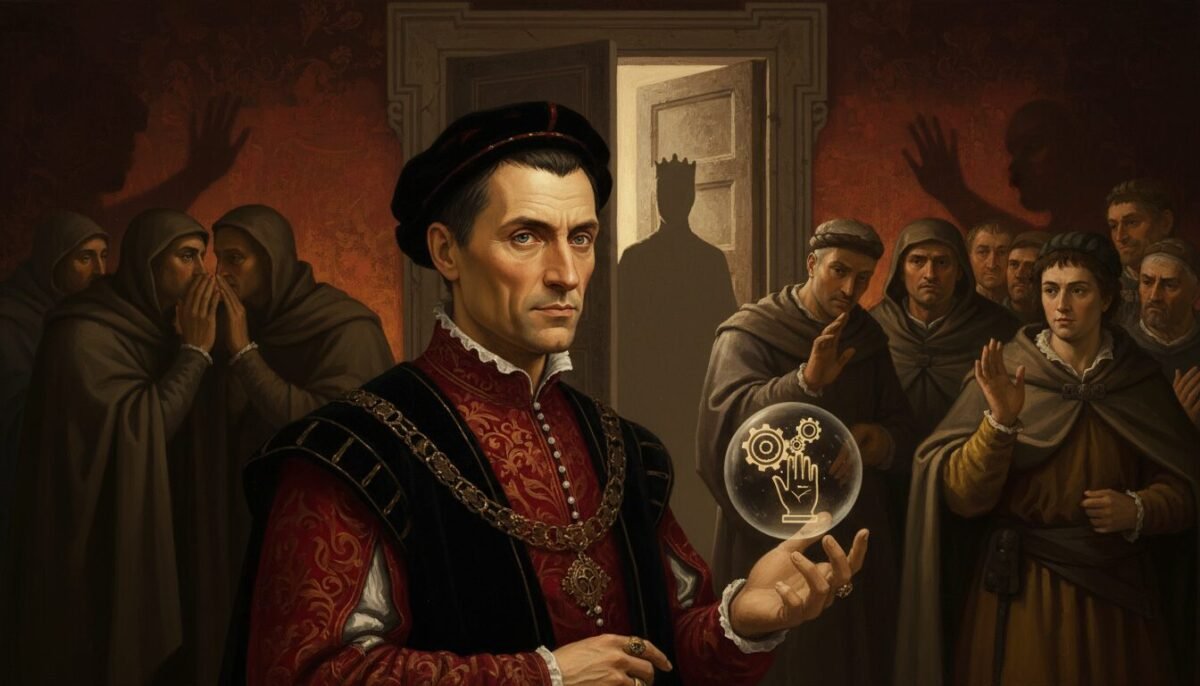
Sociologist Max Weber famously identified three ways that leaders gain this “stamp of approval” from the public:
- Traditional Authority: Power is accepted because “that’s the way it’s always been.” Think of hereditary monarchies or tribal elders. The agreement is rooted in history and custom.
- Charismatic Authority: Power is granted because of the extraordinary personal qualities of a leader. Figures like Martin Luther King Jr. or even cult leaders command followers not through laws, but through the sheer force of their personality and vision.
- Legal-Rational Authority: This is the hallmark of modern society. We obey a president or a CEO not because of who they are, but because of the office they hold. The agreement is tied to a system of rules and procedures (like a Constitution) that we have collectively agreed to follow.
In the 21st century, legitimacy is also maintained through “soft power” and cultural hegemony. We often consent to social hierarchies without even realizing it because they are woven into our media, education, and language. We agree to the “power” of a celebrity or the “authority” of an expert because our culture has conditioned us to see these roles as natural. This “unspoken” social agreement is often more powerful than any written law because it operates at the level of our subconscious beliefs.
4. Trust and Compliance: The Invisible Glue of Governance
Why do most people pay their taxes? While the fear of an audit is real, the primary reason is that most citizens believe in the system’s basic fairness. This is the “invisible glue” of trust. When trust is high, compliance is voluntary and “cheap.” The state doesn’t need a policeman on every corner because the citizens police themselves through their commitment to the social agreement.
However, when institutional transparency fails, the cost of governance skyrockets. If a population believes their leaders are corrupt or that the “contract” is rigged in favor of the elite, they begin to withdraw their consent. This withdrawal starts small—tax evasion, ignoring minor regulations, or cynical apathy—but it creates a “compliance gap.” To bridge this gap, the state must resort to coercion: more surveillance, harsher penalties, and increased physical force.
History shows us that coercion is an inefficient and unstable way to lead. It requires massive resources to maintain and creates a feedback loop of resentment. The psychological aspect of power is such that a system only remains “real” as long as we believe in its efficacy. The moment a significant portion of the population stops believing that the government has the right to rule, the “spell” is broken, and the physical manifestations of power (the police, the courts, the bureaucracy) begin to lose their effectiveness.
5. Modern Manifestations: From Democratic Systems to Corporate Hierarchies
We see the social agreement in action every time we go to the polls. An election is essentially a periodic renewal of the social contract. It is the moment where the governed say, “I recognize this system, and I agree to be led by whoever wins, even if I didn’t vote for them.” This peaceful transfer of power is perhaps the most sophisticated social agreement in human history.
But this dynamic isn’t limited to politics; it exists in our daily professional lives. Why does an employee listen to a manager? It isn’t just for the paycheck. It’s because of a micro-social contract. The employee grants the manager authority to direct their labor in exchange for stability, resources, and a shared goal. When a manager loses the respect of their team—when they violate the unspoken agreement of fairness or competence—they lose their authority, even if they keep their title.
In the digital age, we are seeing a shift toward decentralized power. The rise of blockchain technology, open-source communities, and social media movements shows that the “agreement” is moving away from top-down institutions. In these spaces, power is fluid. It is granted to those who provide value or voice to the collective, and it can be withdrawn in an instant with a “unfollow” or a “fork” in the code. We are entering an era where the social agreement is being renegotiated in real-time.
6. The Fragility of Power: Dissent and the Withdrawal of Agreement
The most terrifying realization for any person in a position of authority is how quickly power can evaporate. When the governed no longer recognize the legitimacy of the governor, the social agreement dissolves. This is the essence of civil disobedience. When figures like Gandhi or Rosa Parks refused to follow unjust laws, they weren’t just “breaking the law”; they were publicly withdrawing their consent from a broken social contract.
Consider the Fall of the Berlin Wall in 1989. For decades, the East German state maintained control through a massive apparatus of secret police and physical barriers. Yet, when the collective “will” of the people shifted—when thousands stood at the checkpoints and the guards realized they could no longer justify firing on their own neighbors—the power of the state collapsed in a matter of hours. The physical wall was still there, the guns were still there, but the agreement that gave those things meaning had vanished.
Social movements serve as the “renegotiation phase” of the social contract. They highlight the areas where the agreement is no longer serving the collective good. Whether it is a protest for climate action or a strike for better wages, these are moments where the people say, “The current terms of our agreement are unacceptable. We demand a new contract.”
The Dialogue of Authority
Power is not a static trait that someone is born with or a trophy they win. It is a continuous, living dialogue between the governor and the governed. Its stability depends entirely on perceived legitimacy, fairness, and the ongoing, often silent, consent of the collective. When we understand that power is a social agreement, we realize that we are not merely subjects of authority—we are its authors.
By understanding the philosophical and psychological roots of this agreement, we gain the perspective needed to evaluate the systems we live in. Are the “contracts” you participate in every day—at work, in your community, and in your country—fair? Do they deserve your continued consent? The most profound power you possess is the ability to decide where you lend your belief.
Frequently Asked Questions
What is the difference between power and authority?
Power is the raw ability to influence others, often through force or wealth. Authority is “legitimate power,” meaning the people being led recognize and accept the leader’s right to command.
Can a social contract be changed?
Yes. Social contracts are constantly being renegotiated through elections, social movements, legal reforms, and even cultural shifts in what we consider “normal” or “fair.”
Why is consent more effective than force?
Force is expensive and creates resistance. Consent allows for voluntary compliance, which is more stable, requires fewer resources to maintain, and fosters cooperation toward shared goals.
What happens when a social contract breaks?
When the agreement fails, society often faces a period of instability, ranging from civil unrest and protests to full-scale revolutions or the total collapse of institutions.
If you found this exploration of power and philosophy intriguing, you may want to dive deeper into our analyses of Machiavelli & Political Philosophy, the complexities of Influence & Leadership, or the fundamental drives of Power & Human Nature. Explore more at DeepPsyche.blog to sharpen your strategic thinking.